
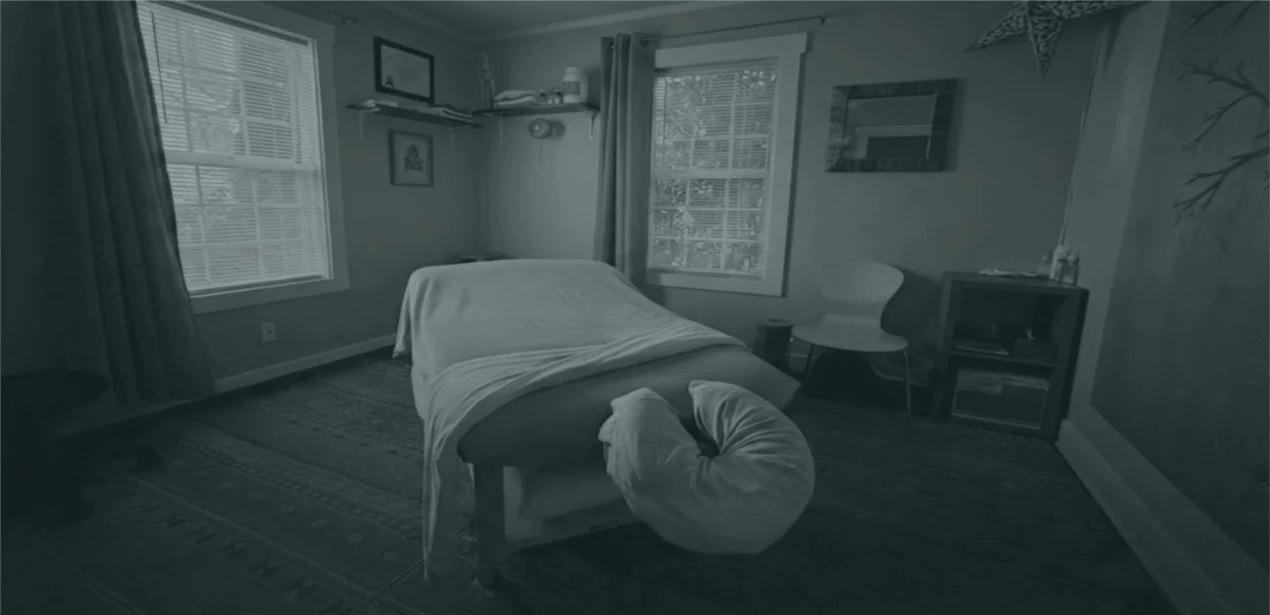
Deep Tissue Massage in NE Portland
Deep tissue massage focuses on relieving chronic muscle tension and deeper patterns of restriction that develop from overuse, stress, or injury. This type of work is often helpful for people experiencing persistent tightness, limited mobility, or discomfort that hasn't improved with lighter pressure.
In my NE Portland practice, deep tissue massage involves slow, focused work through the muscle fibers and along tendon attachment sites where tension often builds over time. By working into these areas, treatment helps reduce tightness, improve mobility, and support more balanced movement.
Chronic tension tends to accumulate gradually and often in response to repetitive movement patterns, prolonged postures, or physical demand that outpaces recovery. Over time, these patterns can become self-reinforcing, with tight tissue pulling on surrounding structures and creating compensation patterns that spread discomfort beyond the original area. Deep tissue work addresses these layers directly rather than working around them.
I often see chronic tension develop in areas such as the neck, shoulders, low back, hips, and legs, especially from repetitive activity, training, or prolonged sitting.
How Does Deep Tissue Massage Work?
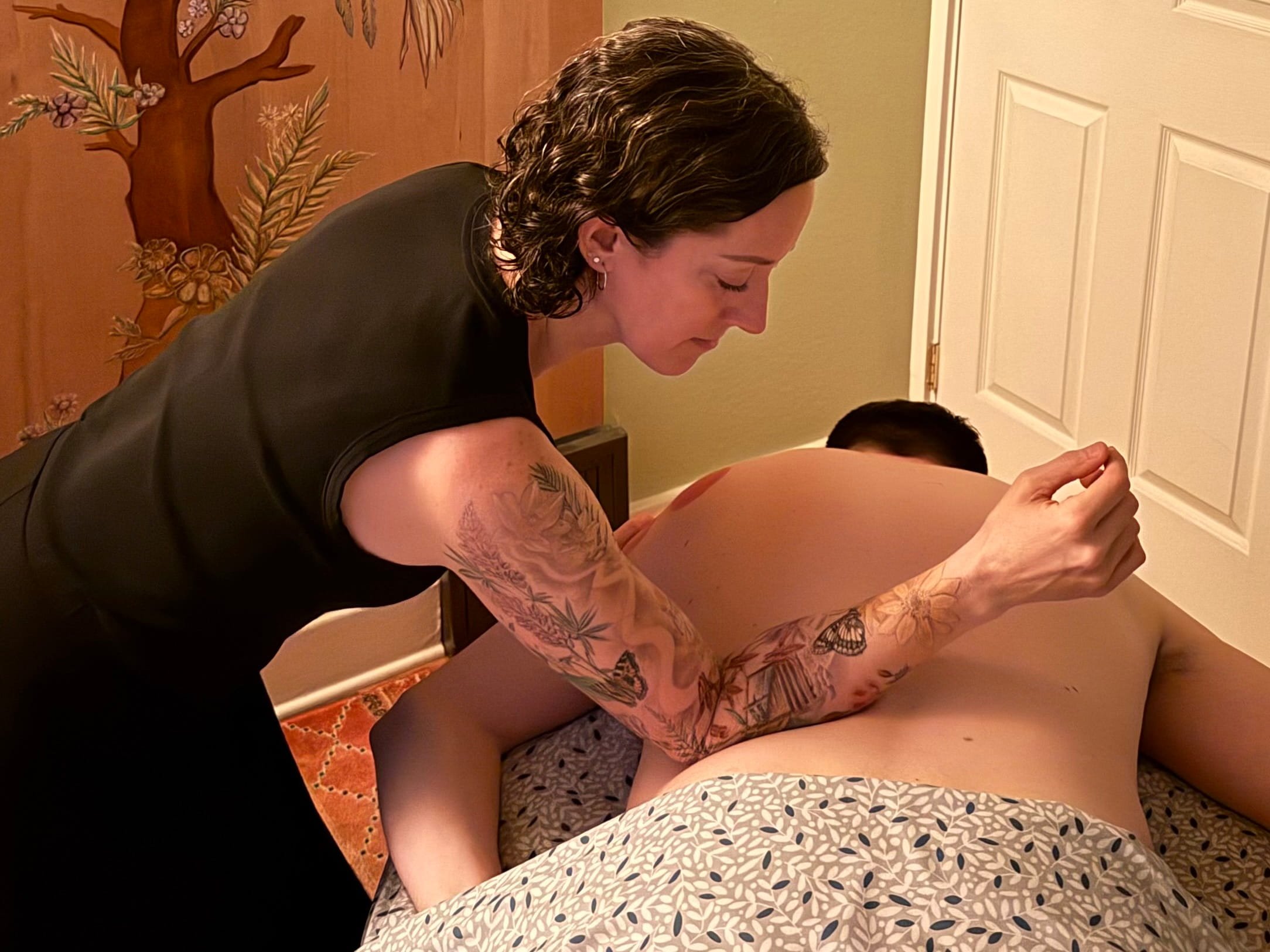
Deep tissue massage uses a combination of gradual pressure and myofascial techniques to address deeper layers of muscle and connective tissue.
One of the most common misconceptions about deep tissue massage is that it has to be painful to be effective. It doesn't. The goal is focused, productive work that stays within your comfort level. Pressure is applied progressively, allowing the tissue to respond and release without creating unnecessary guarding or irritation. When tissue is worked too aggressively, it tends to tighten rather than release.
Open and direct communication regarding your tolerance is necessary to avoid overworking any area.
I have a spinal fusion which results in muscle tightness on the left side of my body, and Steph has helped me regain mobility in my hip. She's not afraid of getting into the muscle and doing deep tissue work and is strong, firm and focused with an in-depth knowledge of muscle attachments and anatomy.
I love the heated table and the fact that she has some evening appointments available to accommodate my work schedule. Highly recommended!”
— Rain R.Is Deep Tissue Massage Right for You?
Deep tissue massage is a good fit if you are dealing with chronic muscle tension, restricted movement, or ongoing discomfort related to work, posture, or physical activity. It's especially useful for people who feel like their muscles are consistently tight or haven't responded fully to more general massage.
It can also be beneficial if you've been managing a recurring issue like a stubborn area of the neck, a hip that never quite loosens up, or low back tension that returns between sessions.
Neck and shoulders
Upper back
Low back
Hips and glutes
Legs and calves
Common Areas Treated
Booking a Session
I work with clients in NE Portland experiencing chronic tension, restricted mobility, and muscular discomfort related to daily activity, work, or training.
Sessions are available in 60, 90, and 120 minutes. For clients with multiple areas of concern or long-standing tension patterns, longer sessions allow for more thorough work without having to prioritize one area over another. Reach out with any questions or book online.
Deep Tissue Massage Can Help With
Chronic muscle tightness
Limited range of motion
Postural tension from desk work
Neck and shoulder discomfort
Low back tension
Hip tightness
Muscle soreness from training or repetitive activity
Frequently Asked Questions
How often should I get deep tissue massage?
For chronic tension or an ongoing issue, starting with sessions every one to three weeks allows enough time to see cumulative progress without losing momentum between appointments. After that, many clients move to monthly maintenance sessions. If you're in a heavy training block or managing an acute flare-up, more frequent sessions may be helpful in the short term.
Is deep tissue massage supposed to hurt?
No. There's a widespread belief that deep tissue massage needs to be painful to be effective, but that's not accurate. Pressure that causes significant pain often triggers the body to guard, which works against the goal of releasing tension. You may feel intensity or a productive discomfort in areas of restriction, but the work should always stay within a range that feels manageable. I check in throughout the session and adjust based on how your body is responding.
How is deep tissue massage different from Swedish or relaxation massage?
Swedish and relaxation massage use long, flowing strokes to promote circulation and calm the nervous system, and the focus is broad and the pressure is lighter. Deep tissue massage is slower, more focused, and works into specific areas of restriction using techniques like trigger point release and myofascial work. The goal shifts from general relaxation to addressing particular patterns of tension and improving function. Both are valuable, but they’re designed to do different things.
Should I be sore after a deep tissue massage?
Some people feel mild soreness in the areas worked, similar to the feeling after a good workout. This is normal and typically resolves within a day or two. Drinking water and gentle movement after your session can help, but post-session soreness shouldn't be the norm.
Can deep tissue massage help with a pinched nerve or sciatica?
Massage can be helpful when nerve irritation is related to muscular compression like tight piriformis or hip muscles compressing the sciatic nerve, for example. By releasing the surrounding musculature, there's often meaningful reduction in symptoms. However, massage is not appropriate for all nerve-related conditions, and if you're dealing with significant neurological symptoms, it's worth discussing your situation before booking so we can determine whether massage is a good fit and how to approach it safely.
How do I find a good deep tissue massage therapist in Portland?
Look for a licensed massage therapist with experience working therapeutically rather than just relaxation-focused. Ask about their training in specific techniques and whether they take an intake and assessment approach rather than a one-size-fits-all routine. Reading reviews from clients with similar concerns to yours is also useful.
I've been practicing in NE Portland since 2004 and work primarily with clients dealing with chronic tension, athletic recovery, and pain management - if that sounds like what you're looking for, I'd be glad to connect.