
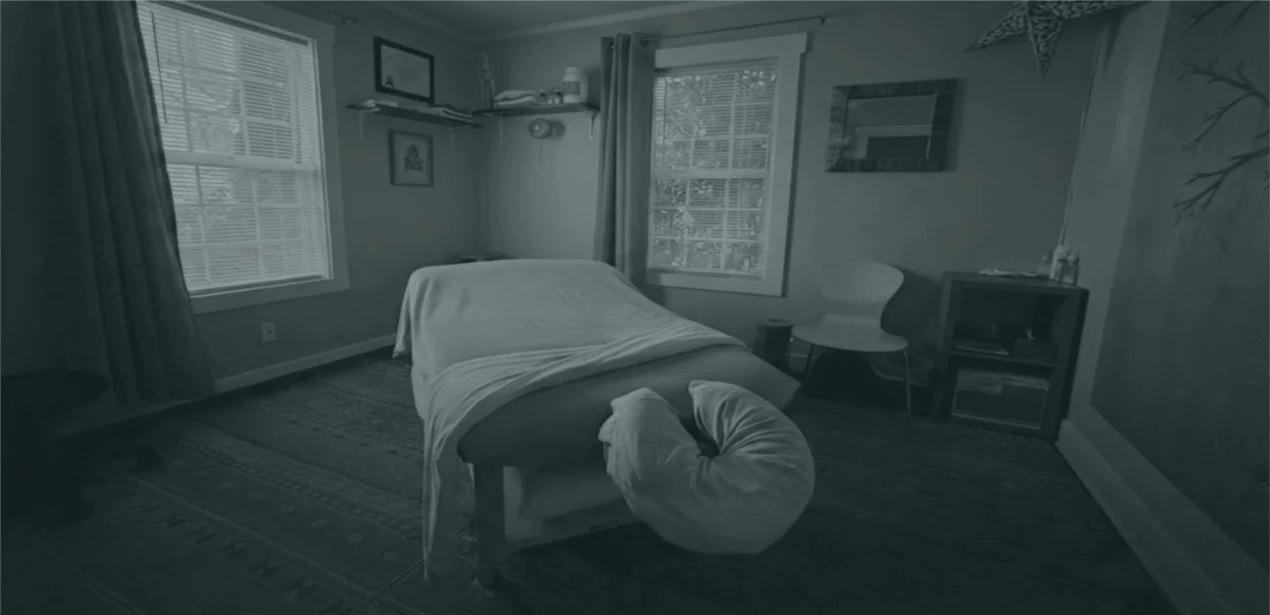
Sports Massage in NE Portland
Sports massage is focused bodywork designed to help athletes recover from training, prevent injuries, and keep their bodies performing at a high level. Athletic movement places repeated stress on specific muscles and their attachment sites. Over time, this can create tightness, trigger points, and fascial restrictions that limit mobility and place extra strain on joints and surrounding tissues.
Unlike a general relaxation massage, sports massage is more targeted in its approach. Rather than working broadly across the whole body, the focus is on the specific muscle groups, tendons, and fascial structures that are under the most stress from your training. This means working through layers of tissue to address restrictions that don't resolve on their own with rest.
In my NE Portland massage practice, sports massage focuses on addressing these patterns directly. I use techniques including trigger point release, myofascial release, and deep tissue massage to help restore healthy muscle function and reduce the compensation patterns that develop from overuse or injury.
Many of my clients are runners, cyclists, climbers, skiers, and aerialists, each placing different demands on the body.
Whether you're recovering from a demanding training cycle, managing a nagging overuse injury, or preparing for your next event, sports massage can help your body recover more efficiently so you can return to your sport feeling strong.
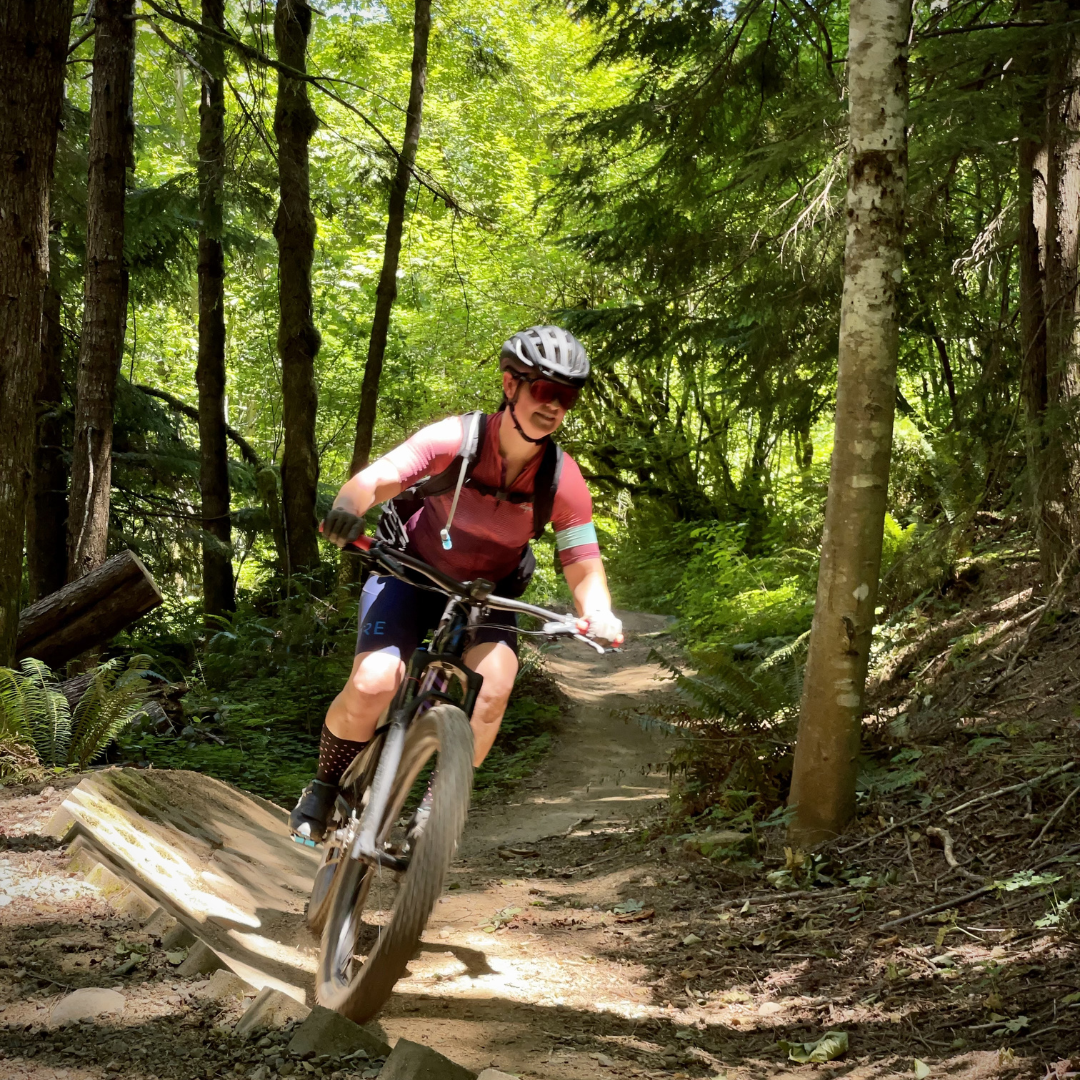
Steph’s client Meg H. mountain biking Sandy Ridge near Mt Hood
Is Sports Massage Right for You?
Sports massage is a good fit if you train regularly, participate in a sport, or are dealing with repetitive strain from athletic activity. Many athletes use sports massage both for injury recovery and as part of their ongoing training routine to maintain mobility.
If you're based in NE Portland or the surrounding neighborhoods and looking for a massage therapist who understands athletic bodies, I'd love to work with you.
A session typically begins with a brief intake conversation about your training, any areas of concern, and your goals for the appointment. From there, the work is collaborative. I'll check in throughout and adjust pressure and focus based on what we're finding.
You don't need to be a competitive athlete or dealing with an acute injury to benefit. If your body is under regular physical demand, and you want to stay ahead of problems rather than just manage them, sports massage is a useful tool.
“I cannot recommend Steph enough! I've been a competitive athlete and runner most of my life and had recently been struggling through chronic pain and injuries.
After a few sessions with her, I was able to get back to doing what I love and finally overcome my Achilles, back and hip issues.
She is kind, confident and educational in her approach. I'm truly impressed with her strength and magic ability to pin point areas of tension and relieve them with deep pressure when required.”
— Mike M.Sports Massage for
Runners and Cyclists
Running and cycling place repetitive stress on the hips and legs. Many athletes develop chronically tight hip flexors, hamstrings, calves, and IT bands from long training hours. In my practice I frequently see Portland runners and cyclists dealing with shortened hip flexors that restrict hip extension and contribute to low back discomfort, sacroiliac joint pain, and knee or IT band issues.
By working through the hip flexors and their attachment sites along with the surrounding muscle groups, sports massage helps restore balance, improve stride mechanics, and support recovery between training sessions.
Portland's terrain adds its own demands - the hills, the bridges, and trails like Leif Erikson put different stresses on the body than just flat-road training. If you're building toward an event like Hood to Coast, a local century ride, or a trail race, pre-event and post-event massage can also play a role in your preparation and recovery timeline.
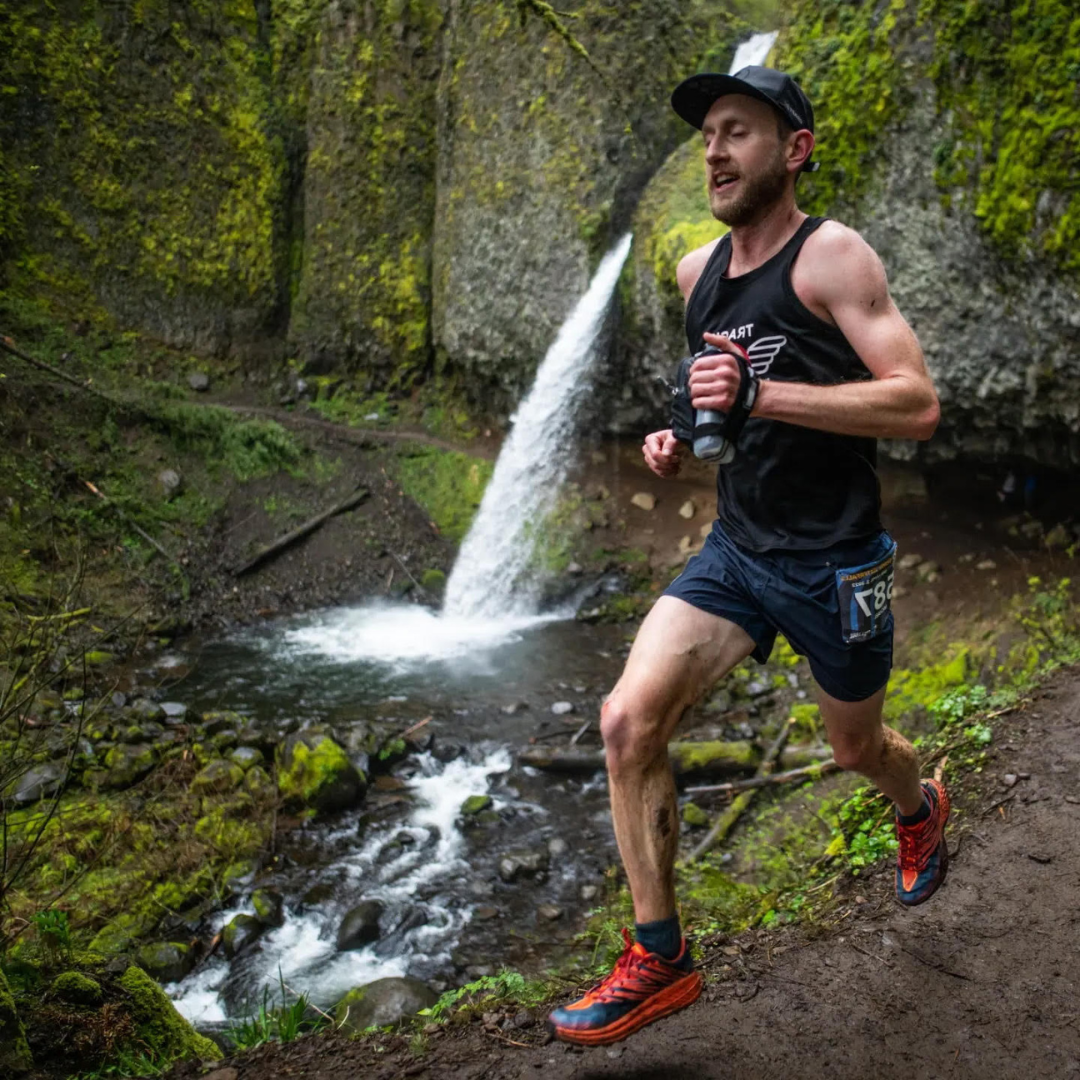
Steph’s client Mike M. racing by Ponytail Falls during the Gorge Waterfalls 50K
Sports Massage for
Climbers and Aerialists
Climbers and aerialists place intense demands on the shoulders, upper back, forearms, and grip muscles. Repetitive pulling, hanging, and stabilization can create tightness through the lats, rotator cuff, and forearms, along with strain through the neck and upper back.
Sports massage helps address these patterns by releasing trigger points, improving tissue mobility, and supporting healthy shoulder mechanics so athletes can continue training with better range of motion and less discomfort.
Portland has a vibrant climbing and aerial arts community, and I work regularly with athletes from local gyms and aerial studios.
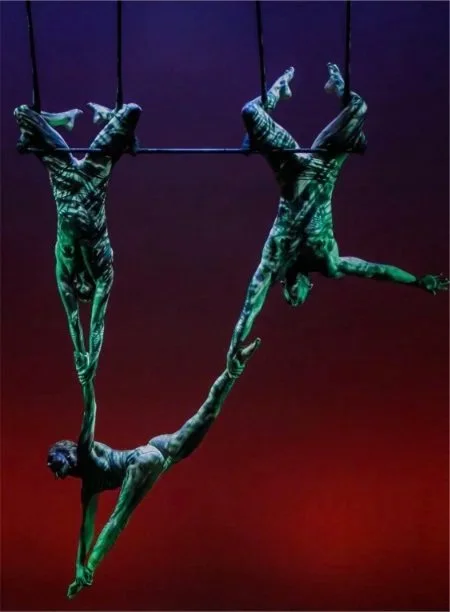
Steph’s clients Bentley F., Larke S. and Dylan C. performing on the triple trapeze at Night Flight’s annual Fright Night
Booking a Session
Most athletes working on a specific issue or maintaining a regular training routine find 90 minutes or even 2 hours allows enough time to address multiple areas thoroughly.
Frequency varies depending on where you are in your training cycle; some clients come in weekly during heavy training blocks and monthly during maintenance periods.
If you're in NE Portland and ready to book, or if you have questions about whether sports massage is the right fit for what you're dealing with, reach out, and we can figure it out together.
Muscles Commonly Treated
Hip flexors and glutes
Hamstrings and calves
Shoulders and upper back
Forearms and grip muscles
Low back and sacroiliac region
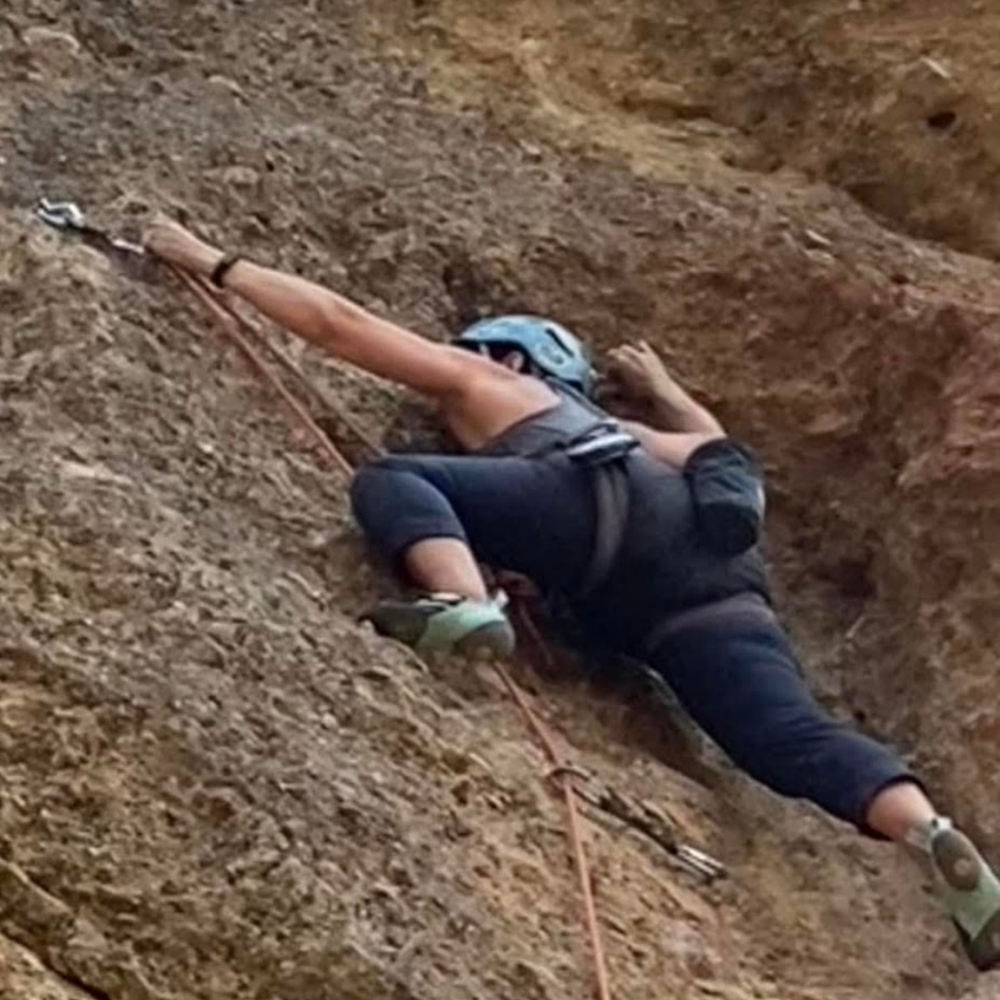
Steph sport climbing at Smith Rock State Park
Frequently Asked Questions
Do I need to be a competitive athlete to benefit from sports massage?
No. Sports massage is useful for anyone whose body is under regular physical demand — whether you're training for an event, managing a recurring overuse issue, or just trying to stay ahead of problems that come with consistent activity. You don't need to be competing or dealing with an acute injury to benefit.
How is sports massage different from relaxation massage?
Sports massage is more targeted. Rather than working broadly across the whole body, the focus is on the specific muscle groups, tendons, and fascial structures that are under the most stress from your training. It draws on techniques like trigger point release, myofascial release, and deep tissue work — applied with your sport and your body's particular patterns in mind.
What should I expect at my first session?
Sessions start with a detailed conversation about your training, any areas of concern, and what you're hoping to get out of the appointment. From there, the work is collaborative — pressure and focus are adjusted throughout based on what we're finding. You won't be expected to just lie there quietly, and please don’t! Communication during the session helps make the work more effective.
How often should I come in?
It depends on where you are in your training cycle. Some athletes come in weekly during heavy training blocks and monthly during maintenance periods. Others come in when something specific is nagging them. Consistency tends to produce better results than waiting until something becomes a problem.
Can sports massage help with an overuse injury?
Yes — overuse injuries are one of the most common reasons athletes seek out this kind of work. Repetitive stress creates tightness, trigger points, and fascial restriction that don't always resolve with rest alone. Sports massage can help address those patterns directly and support recovery from conditions like IT band issues, hip flexor tightness, rotator cuff strain, and forearm or grip fatigue.
I'm a runner — what areas do you typically focus on?
Runners commonly develop tightness through the hip flexors, hamstrings, calves, and IT bands from high training volume. Shortened hip flexors in particular can restrict hip extension and contribute to low back discomfort, sacroiliac joint pain, and knee issues. Sessions for runners typically address the hips and legs with attention to how those patterns connect to the rest of the body.
How long should I book?
Sessions are available in 60, 90 and 120 minutes. Most athletes working on a specific issue or maintaining a regular training routine find 90 or 120 minutes allows enough time to address multiple areas thoroughly.
How do I book?
Sessions are available online. If you have questions about whether sports massage is the right fit for what you're managing, reach out before booking and we can talk it through.